Featured
Table of Contents
That maximizes money in the short-term, and you might have 3 to four years to save towards the negotiation amount. Really dangerous to credit history, mostly due to missed payments and an unfavorable "cleared up" mark that can remain on your credit record for as much as seven yearsMay be just option if other alternatives (financial obligation loan consolidation, balance transfer charge card, financial obligation forgiveness) aren't possibleTypically requires a charge to the third event, which might offset some or every one of the cost savings from financial debt settlementMay help you avoid insolvency if you've missed several paymentsNot all lenders collaborate with financial obligation settlement companies Financial obligation mercy might be ideal for you if you are experiencing an economic challenge that makes it nearly difficult to pay for your debt equilibriums.

With a DMP, you make one monthly payment to the debt counseling agency. Those funds are then dispersed to creditors of your unsecured financial debts, such as bank card and installment car loans. The agency works with your lenders to decrease rates of interest or waive costs, however some financial institutions may refuse such giving ins.
It can aid you pay down financial debt if you're able to safeguard a car loan price that's lower than the average rate of the accounts you're settling. You should refrain from racking up financial obligation on those recently gotten rid of accounts or your financial obligation can grow even higher.
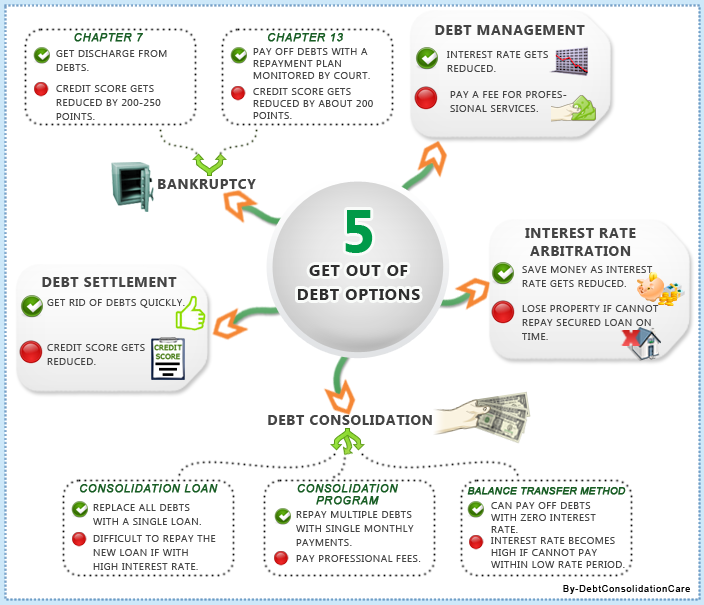
That gives you lots of time to remove or substantially lower your balance while making interest-free payments.
The Definitive Guide for Measures You Can Take to Recover Your Finances
You might require it if your lender or a debt collection agency ever before tries to gather on the financial obligation in the future. The letter can show you do not owe what the debt collector's records reveal. Yes, in many cases, the IRS thinks about forgiven financial debt as gross income. When a loan provider forgives $600 or more, they are required to send you Type 1099-C.
Financial debt mercy or negotiation often hurts your credit report. Anytime you clear up a debt for much less than you owe, it might appear as "cleared up" on your credit record and affect your credit rating for 7 years from the date of negotiation. Your credit scores can likewise go down significantly in the months resulting in the forgiveness if you fall back on repayments.
Getting My Types of Achieve Financial Stability with Counseling : APFSC You Need to Know About To Work
This situation frequently results from underreporting revenue, not filing returns on time, or inconsistencies found during an IRS audit. The effects of accumulating tax financial obligation are severe and can include tax liens, which provide the Internal revenue service a legal claim to your residential or commercial property as protection for the financial obligation.
Earnings and Bank Accounts Internal revenue service can impose (take) earnings and bank accounts to please the financial obligation. Property Seizure In extreme situations, the Internal revenue service can confiscate and market residential property to cover the financial obligation.
Social Preconception Encountering legal activity from the Internal revenue service can lug social stigma. Employment Opportunities An inadequate credit rating score due to tax debt can restrict employment opportunities. Federal government Advantages Tax obligation financial obligation may impact eligibility for government advantages, such as Social Safety and Medicaid.
Getting Assistance Through Achieve Financial Stability with Counseling : APFSC Providers Things To Know Before You Buy
The OIC considers a number of factors, consisting of the taxpayer's earnings, expenses, asset equity, and capability to pay. Efficiently bargaining an OIC can be complicated, calling for a detailed understanding of the IRS's standards and a solid disagreement for why your deal straightens with your ability to pay. It's important to keep in mind that not all applications are approved, and the procedure calls for in-depth monetary disclosure.
The IRS evaluates your total financial circumstance, including your income, expenses, asset equity, and capacity to pay. You have to also be current with all filing and settlement demands and not remain in an open bankruptcy case. The internal revenue service also considers your conformity history, reviewing whether you have a record of prompt filing and paying tax obligations in previous years.
Unknown Facts About Permanent Effects on Achieve Financial Stability with Counseling : APFSC Decisions
The application procedure for a Deal in Compromise includes a number of in-depth actions. You need to finish and submit IRS Kind 656, the Deal in Compromise application, and Type 433-A (OIC), a collection info statement for people. These types call for detailed financial details, consisting of information regarding your revenue, debts, costs, and properties.
Back tax obligations, which are unsettled taxes from previous years, can dramatically raise your overall internal revenue service financial obligation if not resolved without delay. This debt can accumulate passion and late settlement fines, making the initial amount owed much bigger in time. Failing to repay tax obligations can lead to the internal revenue service taking enforcement activities, such as issuing a tax lien or levy against your home.
It is necessary to attend to back taxes immediately, either by paying the total owed or by arranging a layaway plan with the IRS. By taking positive steps, you can avoid the build-up of extra interest and penalties, and avoid much more hostile collection activities by the IRS.
One usual factor is the belief that the taxpayer can pay the sum total either as a round figure or through a payment strategy. The internal revenue service likewise thinks about the taxpayer's earnings, expenditures, property equity, and future earning possibility. If these variables indicate that the taxpayer can pay for to pay greater than the supplied quantity, the IRS is most likely to reject the deal.
Post-Bankruptcy Programs Including Aftercare Services Fundamentals Explained
It is crucial to offer exact and total details in your application and to talk to a tax obligation specialist to boost the possibilities of acceptance. Dealing with internal revenue service financial obligation can be complicated and overwhelming. Tax obligation specialists, such as Certified public accountants, tax obligation attorneys, or signed up agents, can offer very useful help. They have the knowledge to browse the complexities of tax obligation legislation and IRS procedures.

Table of Contents
Latest Posts
What the Law Guarantees While Undergoing Bankruptcy Counseling Things To Know Before You Buy
The 10-Minute Rule for Bankruptcy Fundamentals Before Consulting
See This Report on Market Changes in Understanding Credit Report for Better Financial Health : APFSC and Debtor Protections
More
Latest Posts
What the Law Guarantees While Undergoing Bankruptcy Counseling Things To Know Before You Buy
The 10-Minute Rule for Bankruptcy Fundamentals Before Consulting
See This Report on Market Changes in Understanding Credit Report for Better Financial Health : APFSC and Debtor Protections